
Blog
Baby Water Filter: What You Need to Know

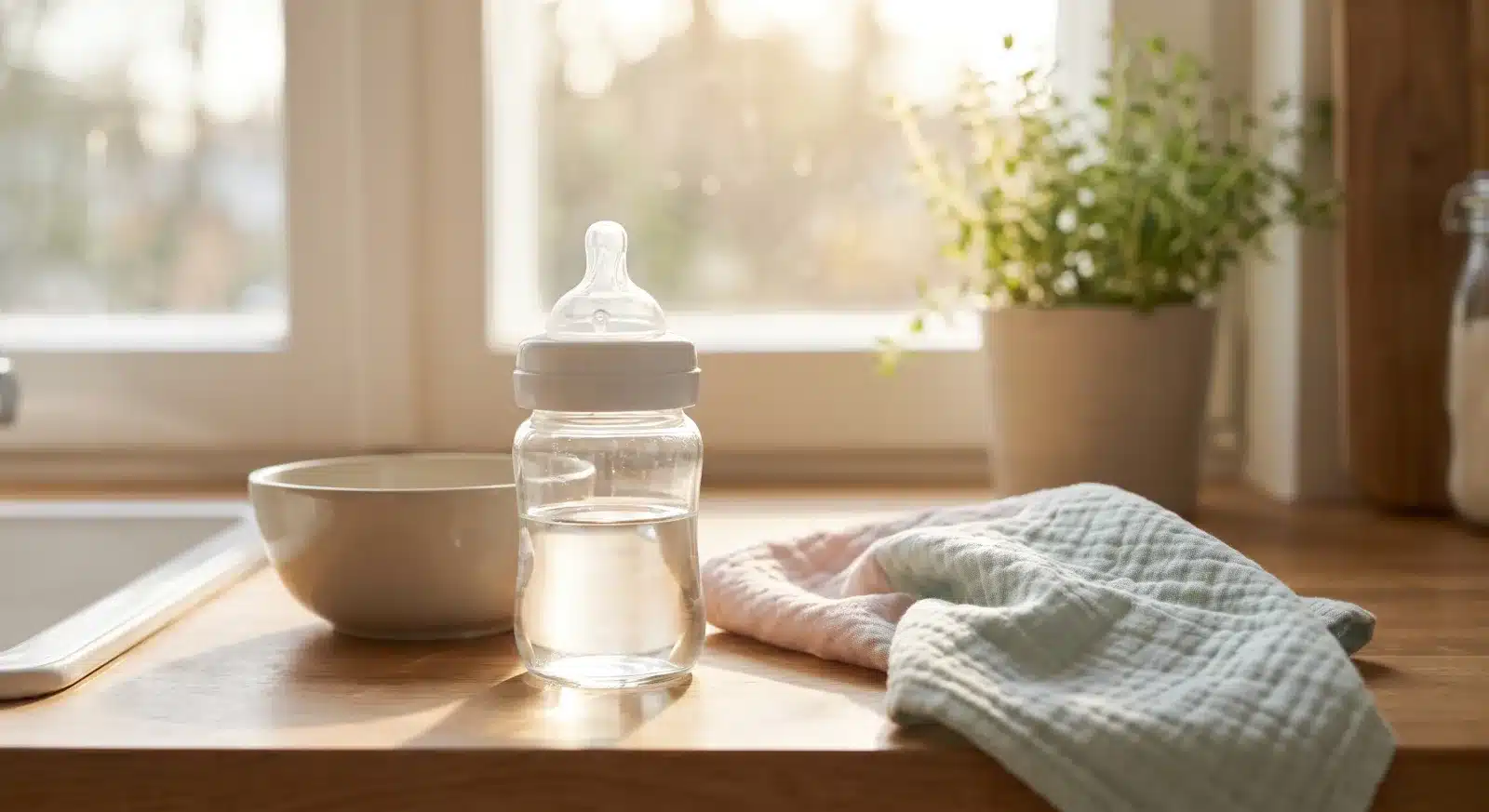
When a baby comes home, you suddenly look at things you previously took for granted differently. One of them is tap water, especially if you use it for formula milk or later for your child to drink.
In this article, we answer the most frequently asked questions parents have about water and filters, in simple terms and without exaggeration. We clarify what a filter does and doesn't do, and where you should always seek guidance from your pediatrician.
Does Baby Need Filtered Water?;
The water you give to a baby requires attention, because their body is more sensitive than an adult's. For the preparation of powdered milk, pediatricians and health authorities give specific instructions, which often include boiling the water. A filter does not replace these instructions, but it can improve the quality of the water you start with.
In short, filtering and boiling work on different things. Boiling involves the microbes to make milk, while filtering removes substances like chlorine and some heavy metals and improves the taste.
What Does a Filter Remove That Matters to the Baby?;
This is where a good filter makes a difference. Olympus filters keep out chlorine, pesticides, heavy metals, lead, cadmium, arsenic, hexavalent chromium and asbestos fibers. Lead, for example, can come from old pipes, and is one of the substances we want to avoid, especially for a baby.
At the same time, the filter lets the beneficial mineral salts and trace elements through. This way, the water does not come out "empty", it maintains its natural balance. When it comes to the appropriate water composition for your baby, the right source is always the pediatrician.
Chlorine and Taste
Many parents notice that tap water smells or tastes like chlorine. Chlorine is added by water companies to keep the water safe all the way to your home, which is necessary, but it also leaves that taste.
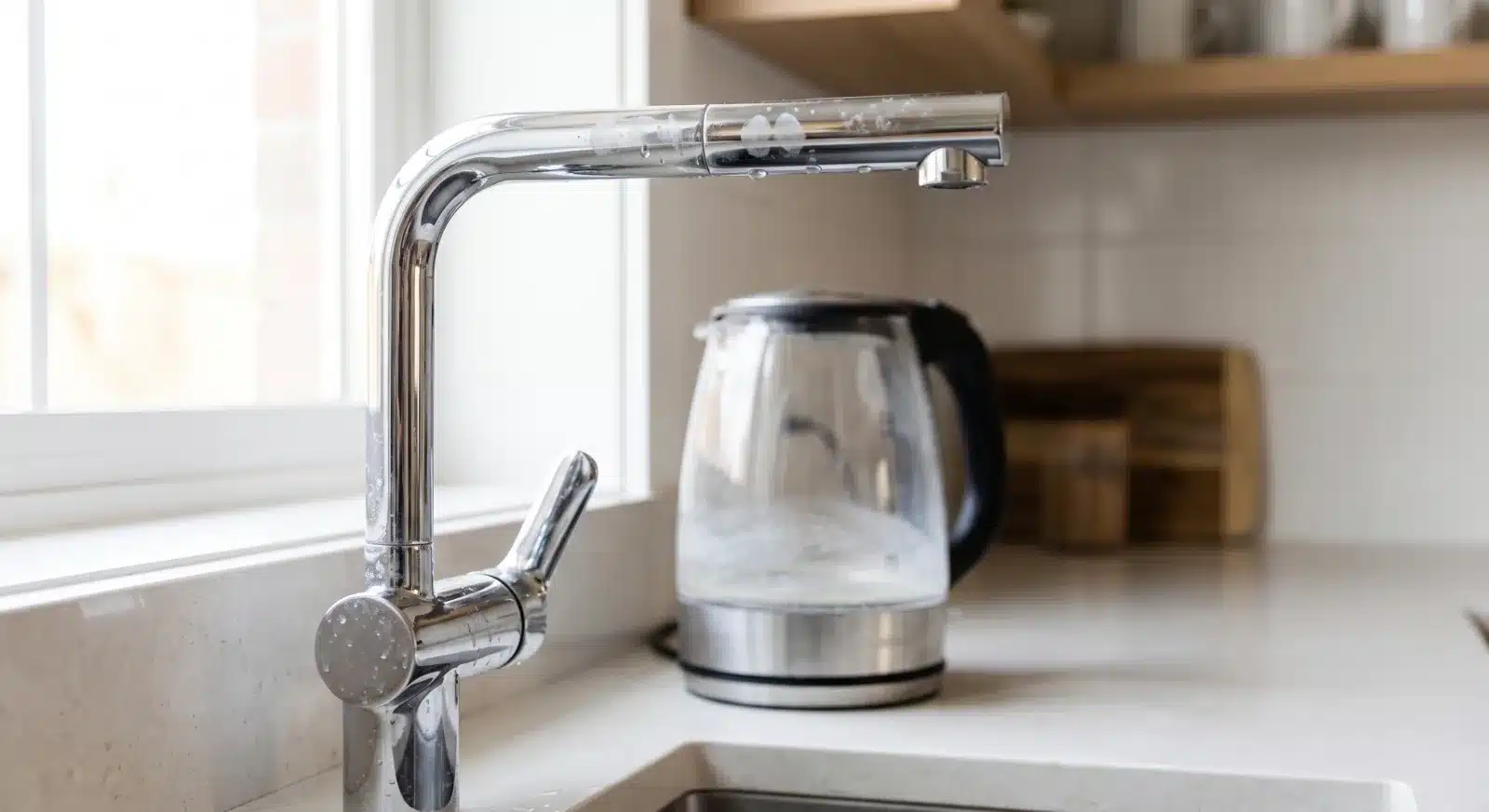
A filter removes residual chlorine at the point of use. The result is water with a more neutral, clean taste, which many babies and children prefer when they start drinking water.
When Does a Baby Start Drinking Water?;
Very young babies get their needs met from milk, and when to start pure water is something that the pediatrician determines, usually as solid foods are introduced. There is no one rule that fits all babies.
When that time comes, filtered, clean-tasting water helps your child accept it more easily. And for the family, having good tap water means you don't have to carry bottles all the time.
Filter or Bottled Water for Baby?;
Many families turn to bottled water because they feel more secure. However, bottled water comes with ongoing costs, weight to carry, and a lot of plastic, and it's not necessarily more suitable than filtered tap water that follows the pediatrician's instructions.
A filter in your tap gives you clean water whenever you want it, without storage and without running out at the wrong time. For a family with a baby, this convenience counts.
Which Olympus Filter is Suitable for a Family with a Baby?;
For most families, an above-counter filter covers daily needs, fits into the faucet in a few minutes, and starts at 77 euros. If you want a more permanent and discreet solution, an under-counter filter is placed under the sink.
In areas with hard water or nitrates, double and triple systems add a similar stage, while reverse osmosis gives the maximum purification. If you are not sure, the selection guidehelps you to understand.
Whichever solution you choose, Olympus antimicrobial technology neutralizes up to 95% of germs inside the device in 2 hours and the inner chamber is self-disinfecting, an additional element of safety in daily use.
Water Depending on the Age of the Child
Needs change as the child grows. In the first months, the baby is covered by milk, breast milk or formula, and water comes into the picture mainly for the preparation of milk, with the instructions of the pediatrician. As solid foods are introduced, plain water is usually slowly introduced.
At every age, the goal is the same: clean water, free of unwanted substances and with good taste. When and how much water your child will drink is not something that is judged by an article, but by the pediatrician who is watching him. The role of the filter is simple: to improve the water you are already using.
Practical Tips for Parents
Some small things make a difference in everyday life. Always keep a spare cartridge at home so that you are not left without filtered water. Change the cartridge on time, approximately every 12 months or 8,000 liters, because a tired cartridge filters less well.
If you're away for a while, let the tap run for a while before using the filter again. And when it comes to baby's health and nutrition, keep your pediatrician as your first source, with the filter playing the role of an assistant who gives you cleaner water.
Things to Remember
Tap water in Greece is tested based on European drinking water directive, and for food and water safety issues, the competent body is the EFET. When it comes to your baby's specific needs, formula feeding, and when to start giving water, your pediatrician's guidance is always above any general advice.
A filter is a tool that improves the water you already have. It is not a medicine and does not replace medical advice, but it does provide cleaner, better-tasting water, every day.
Frequently asked questions
Can I make baby milk with filtered water?;
The filter improves the quality of the water, removing chlorine and some heavy metals. When preparing powdered milk, always follow the instructions of your pediatrician and health authorities, which often include boiling.
Does the filter remove lead from old pipes?;
Olympus filters keep out lead, cadmium and other heavy metals, while letting beneficial salts through. This is important in buildings with old plumbing.
Is filtered water better than bottled water for baby?;
Filtered tap water, when you follow your pediatrician's instructions, is a practical and economical solution, without the cost and plastics of bottled water. It is best to discuss the final choice for your baby with your pediatrician.
Which filter should I choose for a family with a baby?;
For most families, an above- or below-counter filter will meet your needs. In hard water or with nitrates, consider a double or triple system or reverse osmosis.
In conclusion
For a family with a baby, a water filter provides cleaner, better-tasting water, removing chlorine, lead, and other heavy metals, without the cost and hassle of bottled water. It doesn't replace your pediatrician's advice, it supplements it with better water from your tap.
See them Olympus water filters and choose the solution that suits your home, or start with one Countertop filter for a simple, quick solution.




 Ελληνικά
 English


