Blog
How to Reduce Chlorine in Your Drinking Water?;

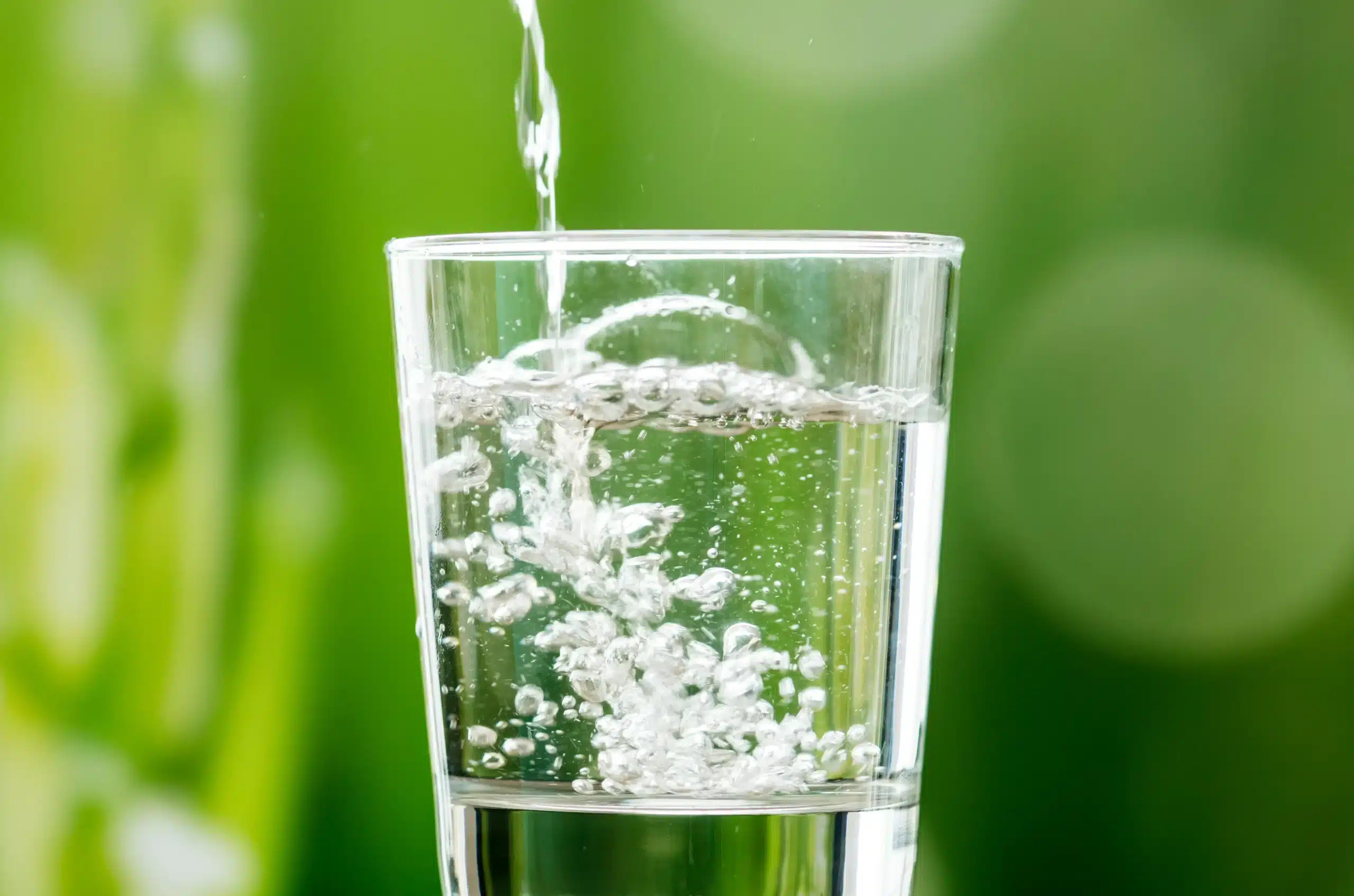
Clean water is essential for our health and well-being, as it plays an important role in hydration, proper functioning of the body and avoiding harmful substances. Chlorine in water is one of the most common disinfectants used to protect it from microorganisms and bacteria.
Despite its benefits, many people are looking for ways to reduce chlorine in water, as it can alter the taste and smell of water, and there is evidence that long-term exposure to chlorination by-products can affect everything from the taste of water to our bodies. Especially in areas where greater use of chlorine is necessary, the taste and smell of water is significantly affected. This overuse of chlorine can create by-products, such as trihalomethanes, which have been linked to various health risks.
For these reasons, an Olympus water filter with solid activated carbon and ceramic is one of the most effective ways to make drinking water purification as safe as possible, ensuring clean and healthy drinking water for daily consumption, neutralizing the negative effects that may occur from chlorine.
Why is there Chlorine in Drinking Water?;
The addition of chlorine to drinking water is one of the key treatment practices around the world, as it ensures the elimination of most of the pathogenic microorganisms and bacteria present in the water or that may be present in the pipes. This process has been used for decades, as it reduces the risk of spreading waterborne diseases. Some of the main reasons for water chlorination are as follows:
- Disinfection from pathogenic microorganisms: Chlorine neutralizes dangerous bacteria such as Salmonella and E. coli.
- Protection throughout the water supply network: Purifying drinking water with chlorine prevents the growth of microbes in the pipes.
- Low cost and easy application: It is the most economical solution for large-scale water disinfection.
However, although chlorine purification of drinking water is essential for its safety, excessive use can cause problems, such as the development of undesirable chemical by-products. This is why Olympus filters that retain chlorine are one of the key solutions that can help remove these substances, providing cleaner and safer water by helping to reduce chlorine in water.
Is Chlorine in Water Dangerous for our Health?;
At low concentrations, chlorine is considered safe for drinking water, but long-term exposure to high levels can have adverse effects. Such potential effects include:
- Altered taste and smell: Water can acquire a strong chlorine taste and smell, making it unpleasant to drink.
- Skin irritation and respiratory problems: Bathing in water with high chlorine can cause dry skin, irritation and aggravation of skin conditions such as eczema, and difficulty breathing at high exposure.
- Creation of chlorination by-products (trihalomethanes): these chemicals have been linked to an increased risk of certain diseases, including some cancers.
- Effects on the digestive system: Some studies suggest that prolonged consumption of hypochlorinated water can affect the microbial balance and gut flora, causing discomfort and digestive upset.
- Risks for children: Excessive chlorinated water may affect the absorption of certain nutrients in young children, hindering their proper development and causing complications in their digestive system.
What are the Ways to Reduce Chlorine from Your Drinking Water?;
Reducing chlorine in water is essential for those who want to improve the taste and safety of their drinking water and avoid any health effects. Safer and more efficient are the various filtration methods, such as the following:
- Activated carbon water filters. activated carbon filters is one of the most effective methods to purify drinking water, with the ability of filters to bind chlorine and its compounds, improving taste and odour.
- Reverse Osmosis (RO) systems. reverse osmosis systems filter water at the molecular level, removing almost 100% of chlorine and other contaminants.
- Use of sodium thiosulphate: This is a chemical used in large tanks and/or aquariums to neutralize chlorine.
There are also several natural methods for purifying drinking water from chlorine, such as storing it in open containers, with the chlorine naturally evaporating from the water if left in an open container for 24-48 hours. Also boiling water for 15-20 minutes can remove chlorine, making the water safer to drink especially for young children.
What is the Most Effective Filter for Chlorine Removal?;
Η selection of the appropriate filter to reduce chlorine in water depends on a number of factors, such as water quality, desired efficiency and ease of use, as filters operate with different technologies, each with specific advantages and disadvantages.
- Activated carbon filters are one of the most popular options for chlorine removal, as they offer excellent performance in improving the taste and odour of water easily and instantly. Activated carbon works through adsorption, trapping chlorine molecules and other organic contaminants. These chlorine filters are effective, economical and available in a variety of formats, including for connection directly to your tap, pitchers and for placement under the kitchen counter. They also remove heavy metals and require replacement every few litres of use or at certain intervals of use as specified by the individual manufacturer.
- Reverse osmosis is one of the most powerful methods of purifying drinking water, as it removes not only chlorine but also heavy metals, salts and other toxic substances and works through a semi-permeable membrane that filters impurities from the water. Although the drinking water purification it provides is quite good, it reduces the flow rate as the water is filtered drop by drop and collected in the device's tank.
- Ceramic filters offer combined protection against bacteria, chemical pollutants and heavy metals by incorporating often layers of activated carbon, while they are durable and have a long life, while providing the user with the ability to clean the filter during use.
How to Choose the Right Filter for Your Home?;
The choice of the appropriate filter for reducing chlorine in the water we consume daily should be made according to the needs of each home, in order to improve the quality of drinking water. There are different types of filters, each with different functions and levels of efficiency so that one can choose the one that is suitable for their needs. .
Before you choose a water filtration device :
- Analyse your water quality (this information is often available from the municipal authorities in each area)
- Specify the contaminants you want to remove
- Choose the type of filter that can retain the harmful elements that may be in your water.
- Calculate maintenance and costs
- Choose certified chlorine filters
- Think about ecological solutions
- By carefully evaluating your options and following these steps, you can ensure clean, safe and delicious water for you and your family.





 Ελληνικά
 English